Biometric Device Guide 2026: Secure Access and Accurate Attendance
Passwords get shared, cards get lost, and PINs get forgotten, but a fingerprint is impossible to hand over. That simple truth explains why the modern Biometric Device has become a cornerstone of security and workforce management for businesses across Pakistan, Saudi Arabia, and beyond in 2026.
This guide breaks down how these devices work, where they add the most value, and how to choose one that lasts. Whether you run a clinic, a retail chain, or a warehouse, the right biometric device tightens control without slowing anyone down.
What Is a Biometric Device and How Does It Work?
A biometric device identifies a person using a unique physical trait, most often a fingerprint. It captures the trait, converts it into an encrypted template, and matches that template against a stored record in under a second.
Because the template is mathematical rather than an actual image, a well-designed device protects privacy while delivering speed. No two enrolments are alike, so impersonation is extraordinarily difficult.
Common Biometric Types
- Fingerprint — the most widely used, balancing cost and accuracy.
- Facial recognition — contactless and fast, popular since 2020.
- Iris scanning — extremely accurate for high-security zones.
- Palm vein — hard to spoof, used in premium settings.
For most businesses, a quality fingerprint reader hits the sweet spot of reliability, speed, and affordability.
Where Biometric Devices Deliver the Most Value
The technology is versatile, but a few use cases stand out for measurable payback.
- Attendance — eliminates buddy punching and manual timesheet errors.
- Access control — restricts sensitive rooms to authorised staff only.
- Payroll accuracy — precise clock-ins feed clean payroll data.
- Visitor management — logs who entered and when for audits.
Each use case shares a theme: replacing trust-based systems with proof-based ones. That shift alone can save a mid-sized business significant sums every year in reduced time theft and cleaner records.
Choosing the Right Biometric Device: A Comparison
Not all readers perform equally. Use the table below to weigh the specifications that actually affect daily use.
| Specification | What to Look For | Why It Matters |
|---|---|---|
| Sensor quality | Optical or capacitive, high DPI | Reads worn or dry fingerprints reliably |
| Matching speed | Under one second | Prevents morning queues at the door |
| Template capacity | Scales to your headcount | Supports growth without replacement |
| Software support | Regular updates, local help | Keeps the device secure and usable |
| Build durability | Dust and wear resistance | Survives busy industrial sites |
Buy for the next three years, not just today. A slightly higher upfront cost for a rugged, well-supported unit almost always beats replacing a cheap device that fails under load.
Are Biometric Devices Safe for Employee Privacy?
This is the question every responsible manager should ask. The reassuring answer is that modern devices store encrypted templates, not photographs of fingerprints, so the original trait cannot be reconstructed.
Still, good practice matters. Communicate clearly with staff, store data securely, and follow local data rules. Guidance from the National Institute of Standards and Technology outlines strong standards for biometric accuracy and template protection that reputable vendors follow.
Beyond Attendance: Biometrics in Customer Operations
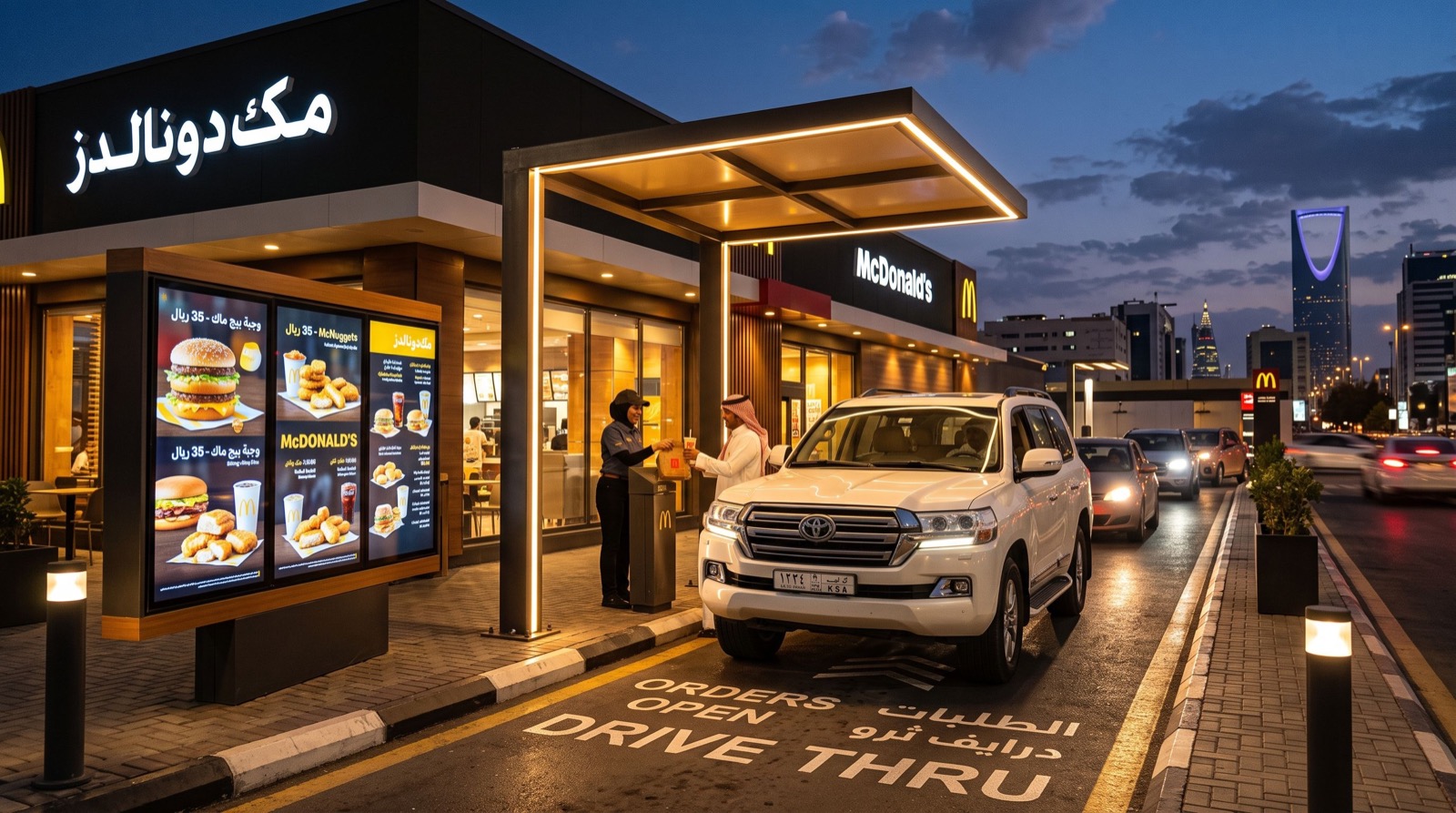
Biometric thinking extends into customer-facing efficiency too. Businesses that obsess over flow often modernise their service lanes at the same time, deploying a PAR Drive Thru solutions package to time orders and keep vehicles moving.
The link is philosophical as much as technical: both tools replace guesswork with measurement. Secure the back office with biometrics, streamline the front line with drive-thru timing, and the whole operation runs tighter.
This measurement mindset scales with your business. As you add branches, the same biometric templates and reporting logic extend across every site, giving head office a single trustworthy view of attendance and access. Guesswork does not scale; verified data does, and that is precisely why growing chains standardise on biometric hardware early rather than retrofitting it later.
Fingerprint, Face, or Both? Making the Choice
Many buyers agonise over which biometric type to deploy. The honest answer is that it depends on your environment, not on which technology sounds most advanced.
Fingerprint readers remain the workhorse for offices, clinics, and retail. They are affordable, fast, and familiar to staff, which reduces resistance during rollout. For most Pakistani and Gulf businesses, a solid fingerprint device covers ninety percent of needs.
Facial recognition earns its place where hands are often dirty or gloved, such as food production or heavy industry. Its contactless nature also appeals in high-hygiene settings like healthcare, where minimising shared surfaces matters.
Some organisations combine both, using fingerprints for routine attendance and facial recognition as a backup or for higher-security doors. This layered approach costs more but removes almost every failure scenario, which suits banks and data centres.
Match the Device to the Worker
Consider who will actually use the reader every day. Manual labourers with worn fingerprints benefit from facial or multi-finger enrolment, while an office team is perfectly served by a standard fingerprint unit. Fitting the device to the workforce prevents daily frustration and protects your investment.
Deployment Tips for a Smooth Rollout
Hardware is only half the job. A clean rollout protects your investment and wins staff support.
- Enrol every user carefully; a rushed scan causes future rejections.
- Place readers away from direct sunlight and heavy dust where possible.
- Keep a fallback method for the rare failed read.
- Schedule firmware updates during quiet hours.
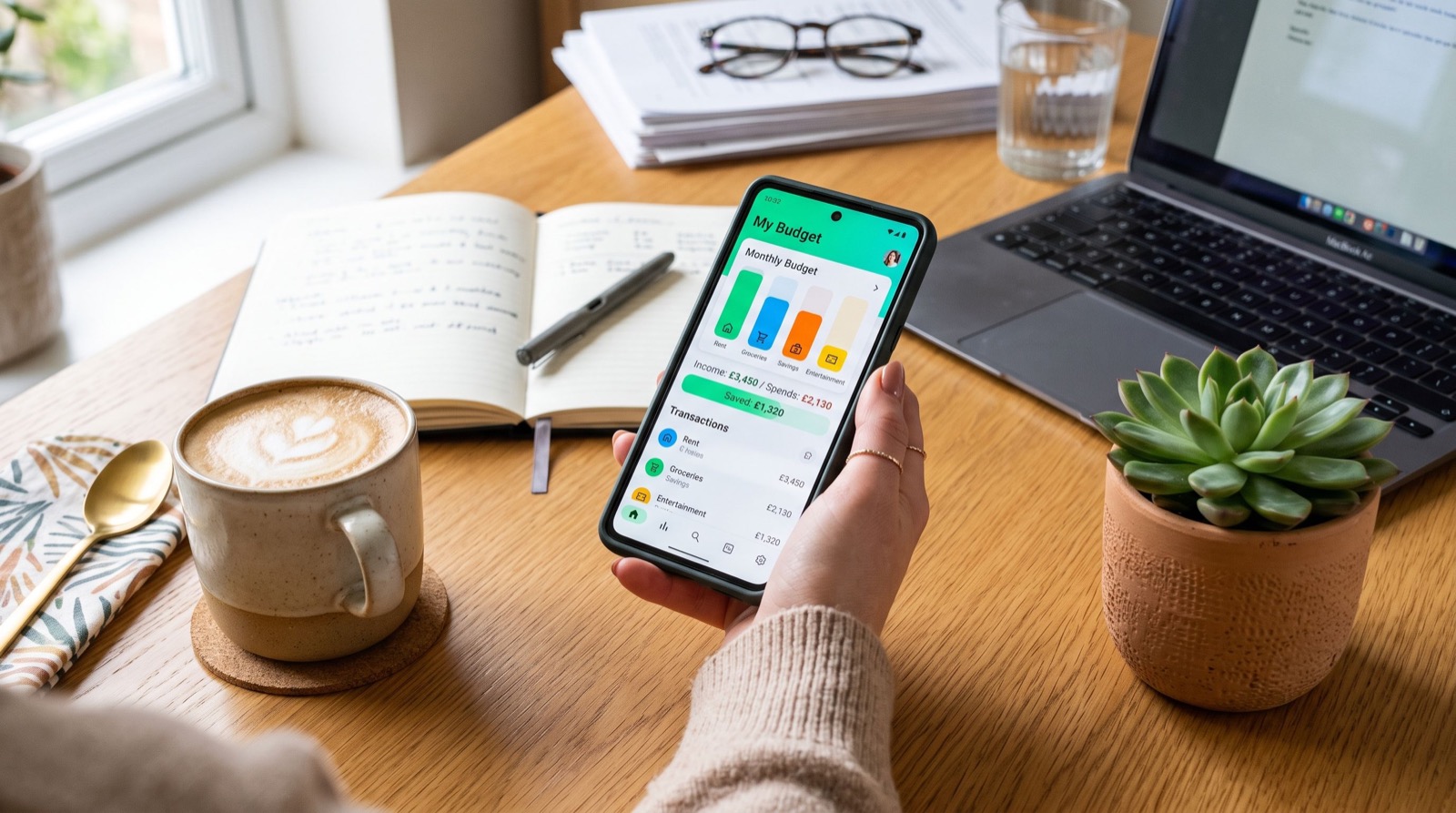
Just as families budget carefully with help from quality service providers, businesses should plan biometric spending with the same care, matching the device to real needs rather than chasing the flashiest model.
Frequently Asked Questions
What is the difference between a biometric device and a swipe card system?
A swipe card verifies a card, not a person, so cards can be shared or stolen. A biometric device verifies the actual individual, making it far harder to cheat and far more accurate for attendance and access.
Do biometric devices work if a fingerprint is worn or damaged?
Quality sensors read most worn or dry fingerprints reliably, and many devices allow enrolling multiple fingers as backups. For heavy manual workers, facial recognition offers a contactless alternative.
How long does it take to install a biometric attendance system?
A single device is usually running within hours, including enrolment. Larger multi-site deployments take longer, mostly for network setup and software configuration rather than the hardware itself.
Is employee fingerprint data secure?
Reputable devices store encrypted mathematical templates, not images, so the original fingerprint cannot be rebuilt. Combined with secure storage and clear staff communication, the system protects privacy well.
Conclusion
A well-chosen biometric device removes the weak links of cards and passwords while delivering accurate attendance, tighter access control, and cleaner payroll data. In 2026, that combination of security and efficiency is exactly what growing businesses need. Compare sensor quality, matching speed, and support carefully, plan a thoughtful rollout, and pair the technology with other flow-focused tools. Do that, and your biometric investment will keep proving its worth every single working day.